

Practice Area
Infringement Defense
Defend against IP claims, brand bullying, and Schedule A lawsuits with attorneys the other side respects.
Have you been accused of selling someone else's product or using their name without permission? Have you been accused of infringing a trademark, copyright or patent? These instances can be very costly for small businesses and can lead to inventory being withheld, funds frozen and business accounts suspended while the matter resolves. Swift action can be the difference between resolution and further disputes.
Notice of infringement
Usually the first indication of infringement comes in the form of a casual or professional email from the trademark owner, or a formal cease and desist letter. These letters provide knowledge of the infringement — and continued use of the mark with knowledge can subject you to liability for willful infringement, where damages are significantly higher. It is extremely important to address any correspondence received about potential infringement.
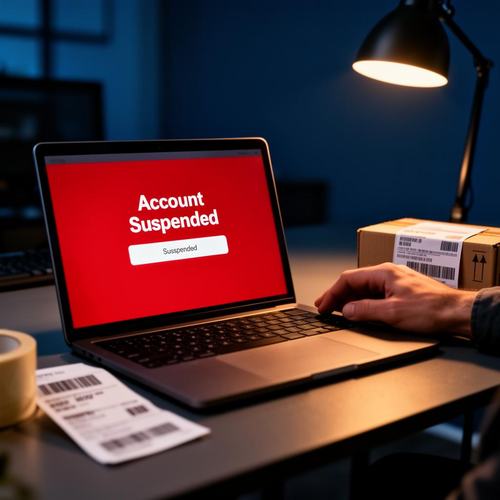
Alternatively, you may receive a notification from a service provider hosting your product or services (YouTube, Amazon, eBay) indicating that your product has been removed or your account suspended. In these circumstances, funds you have earned on the platform will typically be frozen by a temporary restraining order subject to the ongoing litigation.
Schedule A Lawsuits
A Schedule A lawsuit is a single federal complaint that names many online sellers as defendants at once. The accused storefronts, seller aliases, or domain names are listed on an exhibit attached to the complaint called Schedule A, which is where these cases get their name.
Plaintiffs are usually brand owners alleging trademark, copyright, or other intellectual property infringement. The sellers grouped into one case typically have no relationship with one another, and whether that grouping is proper can itself be raised as an issue in the litigation.
Because these cases are frequently filed under seal, many sellers first learn of the lawsuit only after a marketplace account is restricted, listings are removed, or funds are held — not through a summons.
Learn more about Schedule A lawsuitsTemporary Restraining Orders (TROs)
A temporary restraining order (TRO) is an emergency order entered early in the case, often before defendants have been served or had a chance to appear. In Schedule A litigation, a TRO can direct marketplaces and payment processors to restrict listings, disable storefronts, and hold balances while the case proceeds.
TROs are limited in duration and are typically followed by a hearing on a preliminary injunction. That schedule matters: a defendant who appears in time may be able to contest the scope of the order, while one who does nothing often sees the restrictions continue.
Learn more about temporary restraining ordersFrozen Marketplace Funds
Plaintiffs commonly ask the court to restrain funds so money remains available if they later obtain a judgment. Amazon, Walmart, Etsy, eBay, and similar platforms generally comply with those orders immediately and may provide little explanation to the seller.
The amount held can greatly exceed the sales actually at issue. Whether a restraint can be narrowed or released depends on the record before the court, the procedural posture of the case, and the documentation a seller can produce — outcomes vary and no result can be promised.
Why you cannot ignore these notices
Even if the infringement claims appear invalid, ignoring them can subject you to significant liability. While many of these notices and actions can be challenged and defeated, they should never be ignored. Delayed or non-action can result in serious repudiation by the rights holder if allegations are proven true.
If you have received a DMCA notice, cease and desist letter, temporary restraining order, or summons, you should seek legal counsel immediately. Many small businesses and e-commerce sellers find themselves subject to litigation and take no action, delayed action, or improper action — resulting in further damage. We help clients resolve these matters as quickly as possible so they can get back to normal operations.
Default judgments
If no action is taken in response to a lawsuit, the defendant may be found in default. When that occurs, individuals can be liable for significant amounts of money, and their accounts and business may have to suspend operations or cease altogether. A defendant's obligation under a default judgment can be relieved if a Satisfaction of Judgment is filed by the plaintiff — and proper legal action may help eliminate or reduce those financial obligations. If you have received a default judgment in relation to an infringement lawsuit, you should seek legal counsel immediately.
Responding to a Schedule A Lawsuit
Start by preserving everything: listings, order records, supplier invoices, and all marketplace communications. Identify the case number and court so the docket and any entered orders can be reviewed against what the marketplace actually did.
Defenses vary with the facts and may include non-infringement, genuine or authorized goods, first sale, lack of personal jurisdiction, or improper joinder of unrelated sellers. Many cases also resolve through negotiated settlement rather than trial, with terms that can involve payment, listing removals, and agreements about future conduct.
Deadlines move quickly, and business entities generally cannot appear in federal court without counsel. Acting early usually preserves the widest range of options.
Learn more about responding to a Schedule A lawsuitSchedule A FAQs
Named in a Schedule A Lawsuit?
When marketplace accounts, listings, or funds are affected, deadlines move quickly and early decisions can shape the options that remain. Our team reviews the docket, any entered orders, and your sourcing records so you can decide how to respond.
Speak With an Infringement Defense Attorney"Knowledgeable, responsive, and they got results when other firms told us there was nothing they could do."
— Verified Client Review
Other practice areas

Trademark Registration
Build and defend brand equity with USPTO-savvy filings, clearance searches, and office action responses.

Copyright Registration
Protect creative work, listings, and content with timely, defensible filings — and use them as a sword when others copy you.
Amazon Suspensions & Listing Reinstatements
Aggressive reinstatement appeals, IP complaint resolution, and held funds recovery for Amazon sellers.