
Originally published October 16, 2024 | Updated November 20, 2026
If your Amazon business relies on selling product bundles, January 11, 2027 is an important deadline.
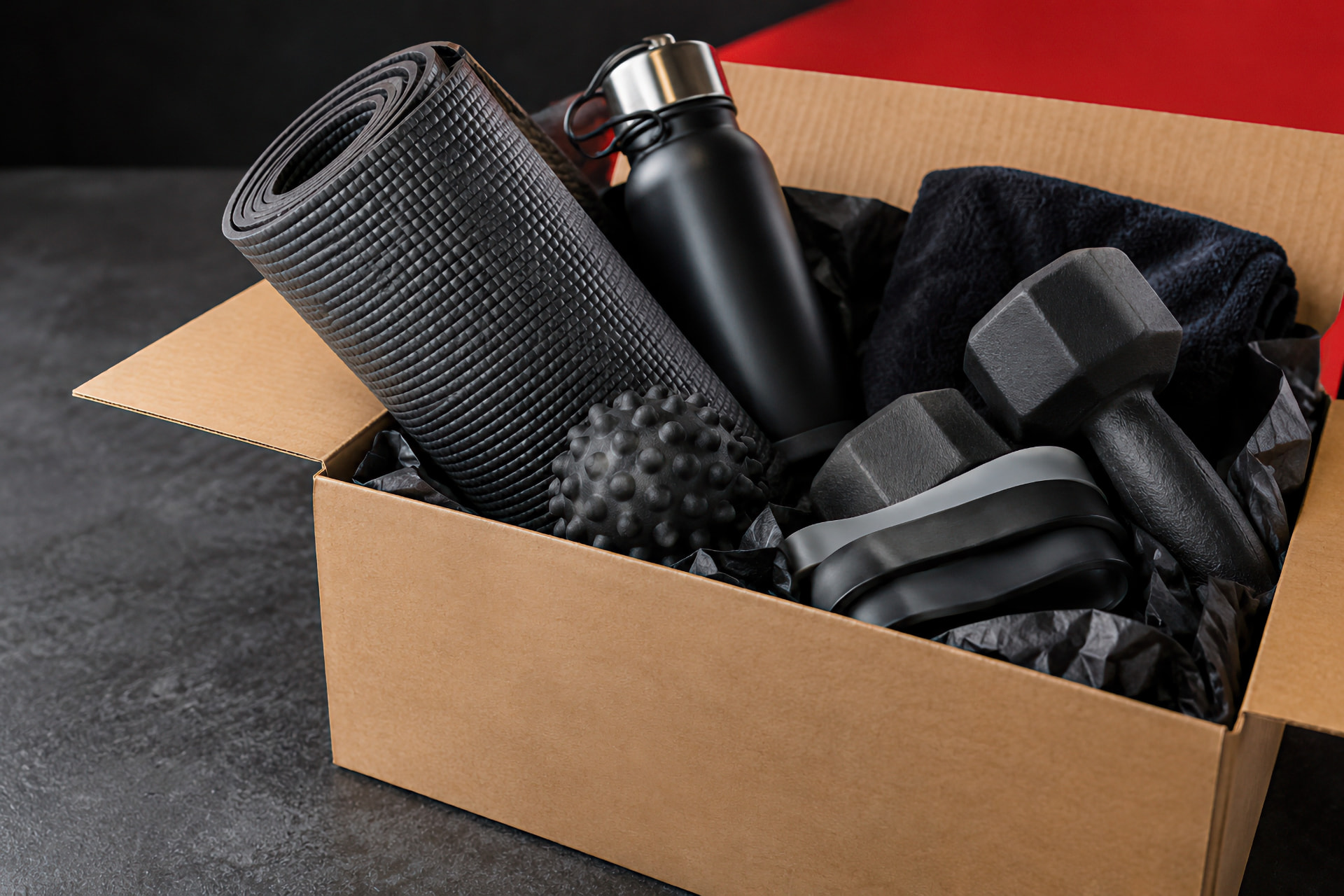
Amazon has announced another update to its Product Bundling Policy, expanding restrictions that previously focused on consumable products to most product categories.
For sellers who have spent years building bundle listings, purchasing inventory, and developing their own product combinations, the changes could affect existing ASINs and future sales.
Under the updated policy, most product bundles sold under a single ASIN must be packaged by the original manufacturer or brand. However, Amazon has also introduced exceptions for certain authorized repackaged products, virtual bundles, and qualifying categories.
Here's what sellers need to know about Amazon's updated product bundling rules, potential listing violations, and how to prepare before the deadline.
Amazon Announces New Product Bundling Requirements Effective January 11, 2027
In an official Seller Central announcement titled New Requirements for Product Bundles Starting January 11, Amazon confirmed that it is updating its bundling requirements across most product categories.
Beginning January 11, 2027, most bundles listed under a single ASIN must be packaged by the original manufacturer or brand.
Amazon explained that the changes are intended to help ensure product authenticity, safety, and customer confidence.
However, the announcement also confirms that certain restrictions are being relaxed, allowing qualifying sellers to offer some types of bundles that were previously restricted.
Amazon also warned that noncompliant bundle listings remaining after January 11 may be deactivated and recorded as listing policy violations in Account Health.
For sellers, this makes reviewing existing bundle listings and supporting documentation a priority before the deadline.
What Is Amazon's Product Bundling Policy?
Amazon's Product Bundling Policy governs how sellers can combine complementary products into a single listing.
For example, a seller might offer a cleaning solution together with microfiber cloths, or package several personal care products into one kit.
Historically, sellers could create certain product combinations to provide convenience and differentiate their offerings.
However, Amazon has increasingly restricted how independently assembled bundles can be listed.
The October 2024 Product Bundling Policy Update
On October 14, 2024, Amazon introduced stricter bundling requirements affecting consumable products, including:
• Grocery products
• Health and beauty products
• Baby products
• Pet products
These requirements generally restricted bundles to configurations created and offered by the original manufacturer or brand owner.
The changes created concerns for sellers who had invested in independently assembled bundles containing products from multiple manufacturers.
Now, the January 2027 update extends the manufacturer-packaging requirement to most categories while introducing additional exceptions.
What Is Changing Under Amazon's 2027 Product Bundling Rules?
The updated policy introduces several important changes for sellers.
1. Most Physical Bundles Must Be Manufacturer-Packaged
Beginning January 11, 2027, most bundles sold as a single ASIN must be packaged by the original manufacturer or brand.
This requirement affects sellers who independently combine products purchased from wholesalers, distributors, or other suppliers.
For example, a reseller who purchases branded cleaning products and independently packages them with accessories may need additional authorization or another applicable exception to continue selling that configuration.
Importantly, the fact that individual products are authentic does not automatically establish that the bundle complies with Amazon's packaging requirements.
2. Authorized Repackaging May Be Permitted
Amazon will allow certain sellers to reconfigure and repackage products when they have an appropriate Letter of Authorization (LOA).
The authorization must come from the relevant brand owner or manufacturer and permit repackaging with the other brands included in the bundle.
This is particularly important for sellers offering multi-brand combinations.
A standard supplier invoice or authorization to resell merchandise may not establish permission to repackage products into a new bundle.
Amazon has stated that sellers whose bundles are identified as noncompliant after January 11 may upload qualifying authorization letters through Account Health.
3. Certain Categories Are Exempt
Amazon has identified exceptions for bundles listed within qualifying gifting browse nodes and camera product types.
These bundles do not necessarily need to be configurations created by the original manufacturer.
However, sellers must still satisfy applicable listing, category, and product requirements.
4. Virtual Bundles Remain an Option
Amazon's Virtual Bundles tool allows eligible brand owners and authorized resellers to offer certain complementary products together without physically repackaging them.
Because these products are not packaged together as one physical unit, qualifying virtual bundles are exempt from the original-manufacturer packaging requirement.
However, sellers must meet the eligibility requirements for Amazon's Virtual Bundles program.
5. Some Previously Restricted Bundle Types Are Now Permitted
Amazon also announced that sellers may create qualifying bundles involving:
• Books, music, video, DVDs, and video games
• Secondary generic products
• Service plans
• Gift cards
• Multiple brands in consumable bundles when appropriate authorization exists
These changes create additional opportunities for certain sellers, but they do not eliminate the need to comply with Amazon's other listing requirements.
What Happens If Your Amazon Bundle Violates the Policy?
Amazon has announced that noncompliant bundle listings remaining after January 11, 2027, will be deactivated and recorded as listing policy violations in Account Health.
Sellers will also receive email notifications concerning affected listings.
For businesses relying on bundle ASINs, this may create several problems.
Listing Deactivation: Affected bundles may become unavailable for purchase, interrupting sales and advertising campaigns.
FBA Inventory Complications: Inventory associated with deactivated listings may require removal or other action, potentially creating additional fulfillment expenses.
Account Health Violations: Noncompliant bundles may appear as listing policy violations, requiring sellers to address Amazon's concerns.
Potential Account-Level Enforcement: Although the announced policy focuses on listing deactivation, serious or repeated compliance issues may create broader enforcement concerns under Amazon's selling policies.
A product bundling violation does not automatically mean the entire seller account will be suspended.
However, sellers should not ignore affected listings simply because their accounts remain active.
If Amazon deactivates a bundle ASIN, sellers can review our Amazon Listing & ASIN Reinstatement services for information about responding to listing restrictions and evaluating reinstatement options.
How Can Amazon Sellers Prepare Before January 11, 2027?
Sellers should begin reviewing their bundle listings before the updated requirements take effect.
Review Existing Bundle ASINs
Identify which products are sold as bundles and determine whether they are physically packaged together or offered through an eligible virtual bundling arrangement.
Pay particular attention to bundles independently assembled from merchandise purchased through wholesalers or distributors.
Confirm Manufacturer Packaging
Determine whether each physical bundle was packaged by the original manufacturer or brand.
If the bundle was assembled independently, evaluate whether an exception applies.
Review Letters of Authorization
Sellers relying on authorized repackaging should confirm that their documentation expressly permits the relevant bundling activities.
Where multiple brands are involved, authorization should address the brands and product configurations included in the bundle.
Evaluate Existing FBA Inventory
Amazon has indicated that sellers may sell noncompliant inventory before January 11, 2027.
Sellers with remaining inventory should consider their available options, including removal orders where appropriate, and should keep the records needed if Amazon later places an inventory hold for unsuitable products.
Businesses managing inventory restrictions can also review our FBA Policy & Inventory Violations practice area for information about related inventory enforcement matters.
Monitor Seller Central and Account Health
Sellers should regularly review their performance notifications and Account Health dashboard for bundling-related violations.
Maintaining organized documentation, supplier records, and authorization letters may help sellers respond more efficiently if Amazon flags their listings.
Can You Appeal an Amazon Product Bundling Violation?
Yes, sellers may have an opportunity to challenge or address a bundling violation through the process identified in their Seller Central notification.
The appropriate response depends on why Amazon determined that the bundle was noncompliant.
For example, a seller may need to establish that:
• The bundle was packaged by the original manufacturer or brand.
• The seller possesses a qualifying Letter of Authorization.
• The bundle falls within an applicable category exception.
• The listing qualifies under Amazon's Virtual Bundles requirements.
• Amazon incorrectly classified the product or its configuration.
Amazon has specifically indicated that qualifying authorization letters can be submitted through Account Health when affected bundles are identified as noncompliant after January 11.
However, sellers should ensure their documentation addresses the actual violation.
Submitting a generic appeal or unrelated supplier invoice may not resolve a manufacturer-packaging issue.
When a bundle listing has been deactivated, sellers may benefit from evaluating the specific ASIN-level enforcement notice before attempting reinstatement.
Our attorneys assist sellers with Amazon listing reinstatement and ASIN appeals, including reviewing enforcement notices and supporting documentation.
Can an Amazon Product Bundling Violation Lead to Account Suspension?
Amazon's January 2027 announcement identifies listing deactivation and Account Health violations as the primary consequences for noncompliant bundles.
It does not state that every bundling violation will result in an account suspension.
However, Amazon retains broader enforcement authority under its selling policies and Business Solutions Agreement.
Depending on the circumstances, repeated or serious violations could create additional account-level concerns.
If a seller receives an account deactivation notice, the response should address the specific policy Amazon identifies rather than assuming the issue can be resolved through a standard bundle listing appeal.
For sellers facing broader enforcement action, our Amazon Account Suspension Appeals practice provides information about legal assistance with account deactivations and reinstatement efforts.
Frequently Asked Questions About Amazon's Product Bundling Policy
Can I still create my own product bundles on Amazon in 2027?
Certain seller-created bundles may remain permissible when they qualify for an exception, such as authorized repackaging, qualifying gifting categories, or eligible virtual bundles.
Can I combine products from different brands?
Amazon has announced exceptions allowing certain multi-brand combinations, including authorized repackaged products and qualifying consumable bundles supported by appropriate Letters of Authorization.
What happens to my existing bundle listings after January 11, 2027?
Amazon has stated that noncompliant bundles remaining after the deadline will be deactivated and recorded as listing policy violations.
Can I submit a Letter of Authorization before my listing is deactivated?
Amazon's announcement specifically describes uploading authorization letters through Account Health after a bundle is identified as noncompliant. Sellers should monitor Seller Central for any additional guidance about advance submissions.
Does a bundling violation automatically suspend my Amazon seller account?
No. Amazon's announced enforcement measures focus on listing deactivation and Account Health violations. Broader account enforcement depends on the circumstances and applicable policies.
Facing an Amazon Product Bundling Violation?
Amazon's January 11, 2027 policy update introduces important changes for sellers who rely on product bundles.
While the new rules create additional restrictions for independently assembled products, they also establish exceptions for certain authorized repackaging arrangements and qualifying bundle categories.
For sellers with substantial investments in bundle ASINs and FBA inventory, reviewing existing listings before the deadline may help prevent unnecessary disruptions.
If Amazon has already deactivated your bundle listings or taken enforcement action against your account, legal guidance may help you evaluate the violation and determine an appropriate response.
At Stockman & Poropat, PLLC, we represent Amazon sellers facing account suspensions, listing restrictions, inventory disputes, and marketplace policy violations.
Our Amazon Seller Attorney practice assists sellers in evaluating enforcement notices, preparing responses, and pursuing available legal remedies when appropriate.
Contact Stockman & Poropat, PLLC at 917-781-4186 or visit stockmanporopat.com to schedule a consultation.
This article is provided for general informational purposes only and does not constitute legal advice. Amazon policies and enforcement procedures may change. Sellers should consult the applicable Seller Central requirements and seek legal guidance concerning their specific circumstances.
Have a question about your matter?
Schedule a free consultation with Stockman & Poropat, PLLC.
Contact the firm